

Are you dealing with yard drainage problems? This blog post covers the basics of yard drainage, its problems, solutions, and maintenance tips. The detailed guide will help you learn how to identify drainage issues and keep your landscape healthy with effective solutions and maintenance tips.
Key Takeaways
- Yard drainage problems, such as standing water and soil compaction, can lead to structural damage and unhealthy landscapes if not addressed promptly.
- Effective solutions for yard drainage include installing French drains, creating rain gardens, and designing dry creek beds to manage water runoff efficiently.
- Regular maintenance, including gutter cleaning, lawn aeration, and drain inspections, is crucial to preventing drainage issues and maintaining a healthy yard.
Understanding Yard Drainage Problems
Yard drainage problems can stem from various factors, including standing water, soil compaction, and improper yard grading. When water doesn’t drain properly, it can lead to a host of issues, such as flooded tree roots, unattractive puddles, and even structural damage to your home’s foundation. A dry yard is crucial to prevent these damages and maintain the health of your landscape, especially if you are facing a yard drainage issue.
Ignoring yard drainage problems can result in costly and time-consuming repairs. A wet yard may attract pests like insects and termites, and create messy, muddy yard environments that are difficult to manage. Understanding the root causes of these issues is the first step toward finding effective solutions. A deeper understanding of the science behind yard drainage can help in identifying the most effective ways to address and prevent these issues.
Standing Water
Standing water is a clear indicator of poor drainage in your yard. This pooling water not only creates unattractive puddles and foul odors but can also lead to serious problems like foundation damage and mold growth. When water sits on your lawn for extended periods, it can kill plants and negatively impact the overall health of your landscape.
Promptly addressing standing water helps prevent damage to both your lawn and foundation. Visible cracks in the foundation walls and uneven floors often signal drainage-related damage that requires immediate professional assessment. Acting quickly can save you from more severe and costly issues down the line.
Soil Compaction
Compacted soil is another significant contributor to yard drainage problems. Soils that are packed too tightly cannot absorb water efficiently, leading to surface water and pooling issues. Clay and hardpan clay are common soil types that can restrict water flow, exacerbating drainage issues. Understanding the surrounding soil type is essential for addressing these challenges effectively.
Aeration, which breaks up compacted soil, has several benefits:
- Facilitates better water absorption
- Promotes healthier plant growth
- Improves drainage
- Reduces the risk of water-logged conditions that can damage your landscape.
Poor Yard Drainage
Improper landscape grading is a common cause of poor yard drainage. Yards that are flat or negatively sloped cause water to accumulate rather than drain away. Over time, this pooling can lead to water collecting near your foundation, which increases the risk of costly structural damage.
The key to preventing these issues is ensuring your yard is properly graded to direct water away from your home. In addition to grading, regular maintenance such as cleaning gutters and downspouts is essential. Clogged gutters can cause water overflow, leading to further accumulation and drainage problems. By keeping your drainage system clear and redirecting water effectively, you can protect your property and avoid long-term damage.
For a deeper look at effective yard drainage systems and solutions for water issues in and around your home, check out this article: Yard Drainage Systems & Solutions for Water Issues.
Effective Yard Drainage Solutions
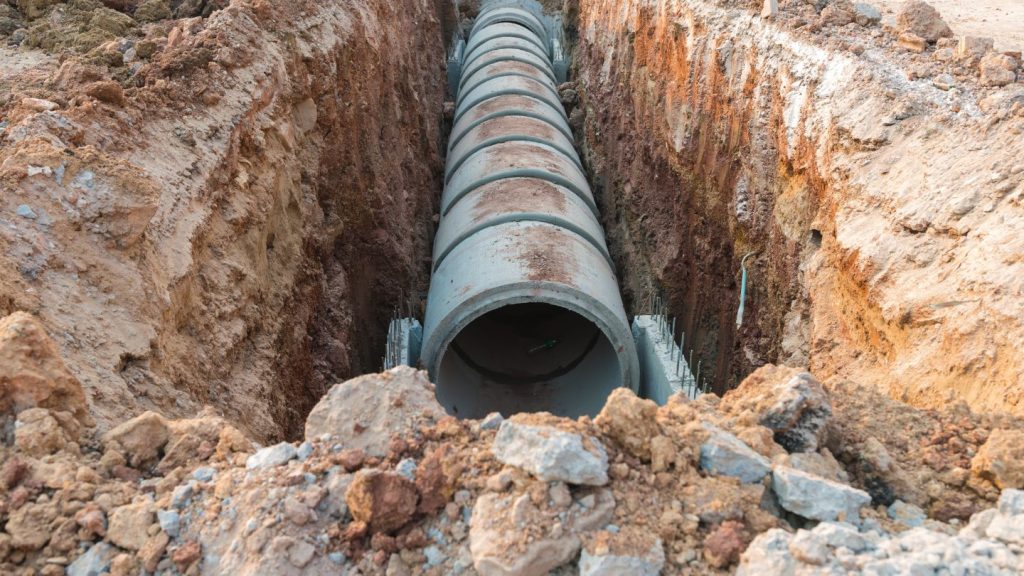
Effective yard drainage solutions are essential for preventing flooding, soil erosion, and protecting your landscaping from water damage. There are several common solutions that can help manage water runoff efficiently, including French drains, rain gardens, and a yard drainage solution like dry creek beds.
Implementing these drainage systems helps eliminate standing water, improving drainage, enhances the overall functionality of your landscape, and supports the proper maintenance of your septic system and drain field. Here are the details on these solutions.
French Drains
A French drain is a trench filled with gravel and a perforated PVC drain pipe designed to channel runoff water to a single point, preventing flooding. The trench drain and the perforated pipe allow water to flow into the pipe away from the home.
Installing a French drain involves digging a trench, placing the perforated pipe at the bottom, and covering it with gravel. This advanced DIY project can be highly effective in managing yard drainage if installed correctly, ensuring that the drainage flows downward by gravity.
Rain Gardens
Rain gardens are designed to capture and absorb rainwater, utilizing water-loving plants to reduce flooding during heavy rainfall. These collect water and allow it to percolate slowly into the soil, managing excess water and preventing pooling with the help of a rain barrel.
Rain gardens are not only functional but also aesthetically pleasing, as they often feature a variety of native plants, perennials, shrubs, and trees that thrive in wet conditions. This makes them an attractive and eco-friendly solution for yard drainage problems.
Dry Creek Beds
A dry creek bed is a shallow ditch filled with rounded stone that serves as a landscaped channel for stormwater. This solution provides both functionality and aesthetic appeal, guiding water flow effectively while enhancing the look of your yard.
Water flows from the dry creek bed to a designated drainage area, such as a swale or catch basin, ensuring that excess water is managed properly. This makes dry creek beds an excellent choice for controlling flow velocity in your landscape.
Yard Drainage Maintenance Tips

Maintaining your yard drainage systems is crucial for ensuring they function effectively over time. Proper moisture management can help retain moisture longer, prevent issues like fungal diseases, and promote healthier grass growth. Regular maintenance tasks include gutter cleaning, aerating the lawn, and inspecting drains for blockages.
These simple yet essential tasks can significantly improve your yard’s drainage capabilities and reduce the risk of water-related problems. Let’s dive into each of these maintenance tips.
Regular Gutter Cleaning
Gutters and downspouts play a critical role in managing water flow away from your roof and home. To prevent overflowing gutters and costly damage, it’s essential to keep your gutter system clean and free of debris. Regularly removing debris or hiring a professional to clean your gutters can ensure they function properly.
Additionally, ensure that:
- Your gutters are properly sized.
- The downspout extends away from the house to prevent water from pooling near the foundation.
- The downspout is pointed toward a storm drain or a safe drainage area to optimize water flow and protect your home.
Aerating the Lawn
Aerating the lawn is an effective way to improve drainage by allowing water to flow through more slowly and more easily. This process involves creating holes in the lawn to break up compacted soil, allowing air, nutrients, and water to reach the grass roots.
Aeration reduces runoff and helps manage excess water, promoting healthier grass growth. After aerating, it’s recommended to add fertilizer to support the recovery and growth of your lawn.
Inspecting and Clearing Drains
Routine checks of your drainage systems can help identify and prevent potential blockages, ensuring effective water flow. Regular inspection allows you to detect any signs of blockages early and maintain the functionality of your drainage systems.
Clearing other debris from culverts and swales is essential to prevent flooding in adjacent areas and ensure water is directed away from your home. Keeping your drains clear effectively manages water runoff and prevents drainage issues.
When Professional Help is Needed
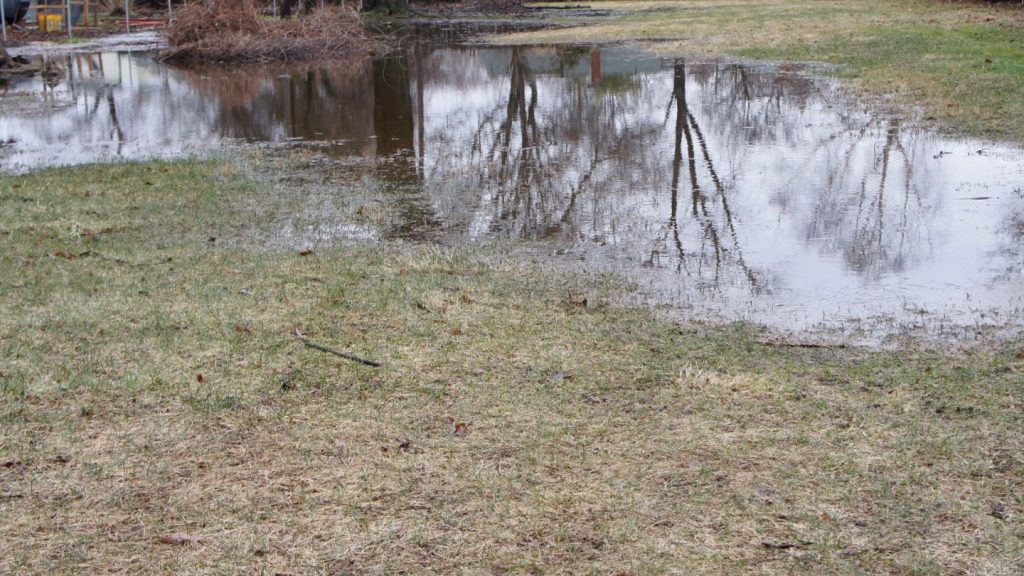
Sometimes, yard drainage problems can be too severe to handle on your own. In such cases, it’s essential to seek professional help to avoid further damage. Poor yard drainage can lead to significant issues like foundation damage, soil erosion, and mosquito infestations.
If you’ve tried various DIY solutions and still face persistent drainage issues or severe flooding, it’s time to call in the experts. Professional landscapers can provide customized solutions to address your specific drainage problems and ensure your yard is draining properly.
Severe Flooding
Severe flooding is a clear sign that you need professional assistance. Persistent drainage issues, despite DIY efforts, indicate underlying problems requiring expert evaluation. Signs like cracks and bowing walls necessitate immediate professional inspection and repair.
Timely intervention is crucial to prevent significant damage to your home’s foundation and landscape, as well as to the neighboring property. By addressing severe flooding promptly, you can protect your property from further damage.
Persistent Drainage Issues
Persistent drainage issues that do not resolve with basic fixes often indicate deeper underlying problems. Signs like persistent pooling water and wet spots that do not dry out are red flags that require professional attention to address water drainage problems.
Professionally created customized drainage solutions effectively address ongoing drainage problems. Expert help ensures the root causes of your drainage issues are identified and resolved, providing a permanent solution.
Foundation Damage
A poorly designed drainage system can lead to soil erosion, compromising the stability of your home’s foundation. Accumulated water near the foundation can cause leaks and other significant issues that threaten the integrity of your home.
If you observe symptoms of foundation damage, such as cracks or leaks, seek professional inspection and repair immediately. Proper drainage is essential to prevent further damage and protect your home’s foundation and structural integrity.
The Final Statement
Understanding yard drainage problems and their solutions is crucial for maintaining a healthy and dry landscape. From identifying common issues like standing water and soil compaction to implementing effective solutions like French drains, rain gardens, and dry creek beds, you can significantly improve your yard’s drainage capabilities.
If you encounter severe flooding, persistent drainage issues, or signs of foundation damage, don’t hesitate to seek professional help through services like yard drainage solutions in Johns Creek. Schmitt Waterproofing offers customized waterproofing and grading solutions to keep your home dry, safe, and protected. Visit our website for more information on how we can help you address your yard drainage problems effectively.
Frequently Asked Questions
What are the common signs of poor yard drainage?
Common signs of poor yard drainage include standing water, flooded tree roots, and overflowing gutters, indicating that immediate attention may be necessary to prevent further damage.
How does soil compaction affect yard drainage?
Soil compaction significantly restricts water flow, resulting in poor drainage and potential pooling in your yard. Addressing compaction is essential for improved water management and a healthier landscape.
What is a French drain, and how does it work?
A French drain is a trench containing a perforated pipe covered with gravel, which effectively directs water away from your home. Facilitating proper drainage helps protect your property from water damage.
When should I seek professional help for yard drainage issues?
You should seek professional help for yard drainage issues if you experience severe flooding, ongoing drainage problems, or any signs of foundation damage. Addressing these concerns promptly can prevent further property damage.