

Foundation cracks appear in nearly every Georgia home at some point, but not all cracks signal the same level of concern. The state’s red clay soil creates unique challenges for residential foundations, expanding during wet seasons and shrinking dramatically during droughts. Understanding the different types of foundation cracks helps homeowners distinguish between cosmetic issues and serious structural problems requiring immediate attention.
This blog walks you through the five main crack types found in Georgia homes, explains what causes each one, and provides clear guidelines for determining when professional evaluation becomes necessary. Whether you’ve spotted a hairline crack in your basement walls or noticed stair-step cracks climbing your brick foundations, you’ll learn exactly what to look for and when to act.
Key Takeaways
- Georgia’s red clay soil creates unique foundation crack patterns due to seasonal expansion and contraction cycles
- Five main types of cracks, vertical, horizontal, stair-step, diagonal, and hairline, indicate different severity levels
- Crack width, direction, and growth patterns determine whether issues are cosmetic or structural
- Early identification and intervention prevent costly repairs and protect your home’s structural integrity
- Professional assessment is crucial for any cracks wider than 1/4 inch or showing signs of active growth
Vertical Foundation Cracks
Vertical cracks run straight up and down foundation walls, making them one of the most common crack types Georgia homeowners encounter. These cracks typically appear in poured concrete walls and slabs, often starting as fine lines that may widen over time depending on underlying causes, reinforcing foundation crack repair and prevention tips for early identification.
Natural settling causes most vertical cracks in Georgia homes, particularly during the first few years after construction. As concrete cures and the home settles into the soil, minor vertical cracks commonly develop without threatening structural integrity. The state’s expansive clay soil contributes to this process. When soil contracts during drought periods, it can remove support under foundation sections, creating stress that manifests as vertical cracking.
Distinguishing cosmetic cracks from structural concerns requires attention to specific details. Minor vertical cracks measuring less than 1/8 inch wide, remaining stable over time, and showing no displacement typically fall into the cosmetic category. However, vertical cracks exceeding 1/4 inch, actively growing, or accompanied by water intrusion, warrant professional evaluation.
When Vertical Cracks Become Concerning
Several warning signs indicate when vertical cracks transition from cosmetic issues to structural problems requiring attention. Crack width exceeding 1/8 inch raises initial concern, while anything approaching or surpassing 1/4 inch demands professional assessment.
Displacement presents another critical indicator; if one side of a vertical crack sits higher or lower than the other, differential settling is actively occurring. Monitor for associated symptoms, including moisture buildup around the crack, sticking doors and windows near the affected area, and uneven floors. Growth patterns matter significantly; mark crack endpoints with dated lines and revisit every few months to track changes across Georgia’s seasonal moisture cycles.
Horizontal Foundation Cracks
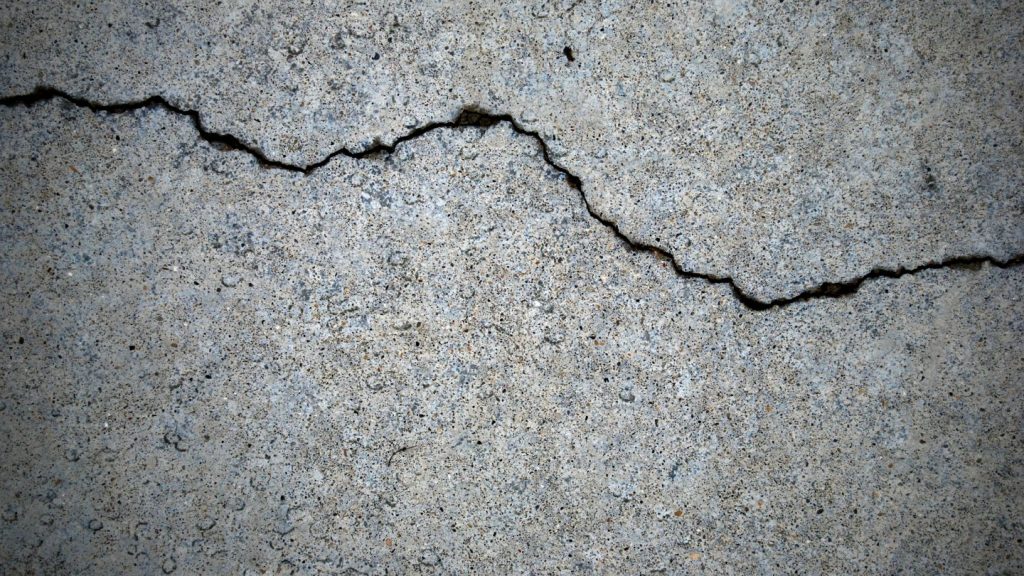
Horizontal cracks running parallel to the ground represent some of the most serious foundation issues Georgia homeowners face. These cracks typically appear in basement walls and crawl space foundations, often accompanied by visible bowing walls that curve inward toward the home’s interior.
Georgia’s expansive clay soil creates intense lateral pressure against foundation walls, particularly during wet seasons when the soil swells significantly. Metro Atlanta receives approximately 52 inches of rainfall annually, well above the national average, leading to frequent soil saturation that pushes against foundation walls. This hydrostatic pressure, combined with poor drainage around many homes, forces concrete and block walls to crack horizontally as they struggle against mounting soil pressure.
The connection between horizontal cracking and structural damage cannot be overstated. Unlike vertical cracks that often result from natural settling, horizontal cracks indicate active, ongoing pressure that threatens the foundation’s ability to support your home. Any horizontal crack, regardless of width, typically requires immediate professional evaluation and often demands structural repair solutions like wall anchors or carbon fiber reinforcement.
Georgia Clay Soil Impact on Horizontal Cracking
Red clay soil expansion during wet seasons creates a cyclical assault on foundations across North Metro Atlanta. When saturated, this clay can expand by 10% or more of its dry volume, generating significant lateral pressure against foundation walls. Homes in Cumming, Alpharetta, Johns Creek, Milton, Roswell, Sandy Springs, and Dunwoody face a particularly high risk due to the widespread presence of montmorillonite and other expansive clay minerals common throughout North Georgia’s Piedmont region.
Seasonal patterns worsen horizontal crack development over time. Heavy spring rains saturate clay soil, pushing against walls, while summer droughts cause soil to shrink away, only to swell again with the next rainfall. This repeated stress cycle gradually weakens foundation walls, making horizontal cracks progressively worse with each passing season. French drains, proper grading, and functional gutter systems help redirect water away from foundations, reducing the hydrostatic pressure that causes horizontal cracking.
Stair-Step Foundation Cracks
Stair-step cracks follow a distinctive zigzag pattern along mortar joints in block and brick foundations, climbing up and across the wall like a staircase. Rather than cutting through block faces, these cracks track along the weakest points, the mortar joints connecting blocks or bricks together.
Differential settling serves as the primary cause of stair-step cracks. When one section of the foundation settles more than adjacent areas, stress concentrates along the mortar joints, creating the characteristic zigzag pattern. Georgia’s variable soil conditions contribute heavily to uneven settling; moisture content often differs dramatically between foundation edges near downspouts or trees and central sections beneath the home.
Assessment criteria for stair-step crack severity include mortar joint separation width, growth rate, and vertical displacement between steps. Separation exceeding 1/8 to 1/4 inch indicates active movement requiring attention. If stair-step cracks appear in load-bearing walls or accompany other symptoms like sloping floors or sticking doors, structural integrity may already be compromised.
Common Locations for Stair-Step Cracks
Stair-step cracks develop most frequently in specific vulnerable areas. Corner sections of foundations experience concentrated stress as soil conditions change, making them prime locations for crack development. Areas where grading changes or where additions connect to original structures also show higher stair-step crack prevalence.
Foundation sections near large trees face an elevated risk as root systems draw moisture unevenly from the soil, causing differential settling beneath portions of the foundation. Similarly, areas adjacent to improperly directed downspouts or near driveways and patios that alter water flow patterns commonly develop stair-step cracks. One Georgia case study documented a 61-year-old home with exterior stair-step cracks in brick veneer that required helical piers for deep support, illustrating how location-specific soil conditions drive crack development.
Diagonal Foundation Cracks
Diagonal cracks angle across foundations at approximately 30 to 75 degrees from horizontal, often appearing near corners of windows, doors, and foundation walls themselves. These cracks typically start narrow at one end and widen toward the other, clearly indicating the direction of soil movement or settlement, causing the stress.
Differential settlement creates diagonal stress patterns when one corner or section of a foundation sinks while adjacent areas remain stable. This uneven support produces angular cracks as the foundation attempts to accommodate the movement. In Georgia, moisture loss on one side of a foundation, perhaps near a large tree or in an area with poor drainage, can remove soil support and trigger diagonal cracking.
Common locations for diagonal cracks include window and door corners, where geometric changes in the wall create stress concentration points, and foundation wall corners where two walls meet. Severity assessment follows similar guidelines to other crack types: width under 1/8 inch with no growth or displacement typically indicates cosmetic issues, while cracks approaching 1/4 inch or actively widening require professional evaluation.
Common Mistakes When Assessing Diagonal Cracks
Homeowners frequently underestimate diagonal crack severity by focusing solely on visible width at the surface. Cracks often extend through the full wall thickness, and surface measurements may not reflect true structural impact. Additionally, diagonal cracks in brick veneer may mask more serious issues in underlying concrete or block foundations.
DIY repairs for structural diagonal cracks almost universally fail because they address symptoms rather than causes. Filling a diagonal crack with epoxy while ignoring the shifting soil or drainage problems causing foundation settlement provides only temporary fixes. The crack will return, often worse than before, as soil movement continues unabated. Without addressing unstable soil, water intrusion, or differential settling, surface repairs simply cannot protect structural integrity long-term, often requiring polyurethane injection for foundation crack repair for effective sealing.
Hairline vs. Structural Foundation Cracks
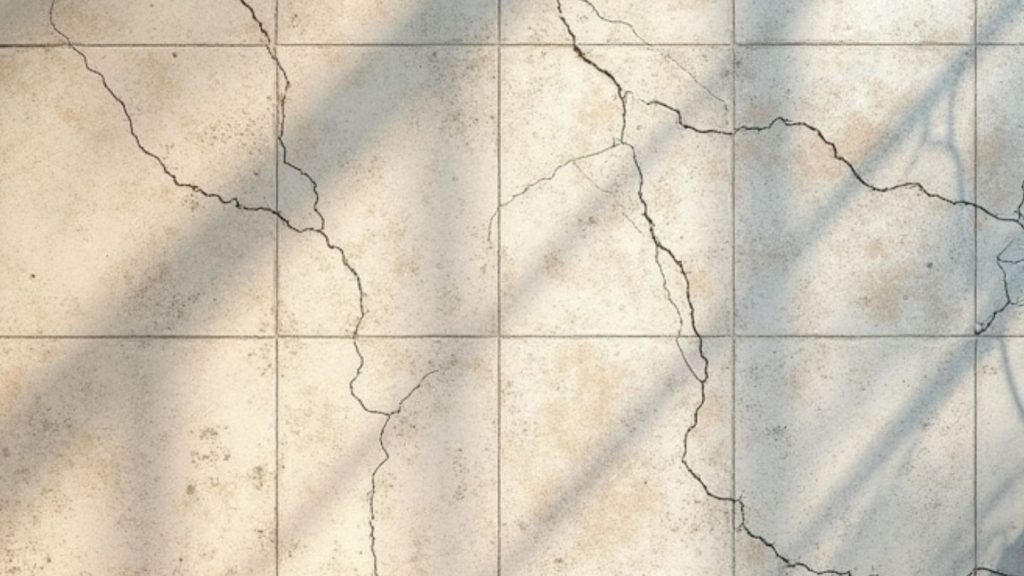
Hairline cracks measure less than 1/16 inch wide, so fine they’re barely visible without close inspection, and typically represent cosmetic rather than structural concerns. These tiny fractures commonly develop during concrete curing as the material dries and shrinks slightly, or from minor thermal expansion and contraction cycles.
The concrete curing process naturally creates some hairline cracking in virtually every poured foundation. As concrete hardens over its first months and years, internal moisture evaporates, causing slight shrinkage that produces fine surface cracks. Georgia homeowners often notice these hairline cracks appearing within the first few years after construction; they rarely indicate foundation problems or compromise structural integrity.
Measurement guidelines help distinguish harmless hairline cracks from concerning issues. Cracks under 1/16 inch that remain stable over time require no action beyond occasional monitoring. Cracks between 1/16 and 1/8 inch merit regular observation to track any growth. Once cracks exceed 1/8 inch or show signs of widening, displacement, or associated symptoms, they’ve graduated from cosmetic to potentially structural concerns warranting professional assessment.
Georgia-Specific Factors Affecting Crack Development
Georgia’s climate cycles affect foundation crack formation in ways unique to the region. The combination of heavy rainfall periods and intermittent droughts creates dramatic swings in soil moisture content. Clay soil surrounding foundations alternatively swells and shrinks, stressing concrete and block walls through repeated expansion and contraction cycles.
Drought conditions prove particularly damaging, as clay soil dries, it shrinks away from foundations, removing lateral support and potentially causing settlement. Deep soil layers may dry unevenly, creating unpredictable stress patterns that cause cracks to develop in seemingly random locations. When rains return, saturated soil swells against foundation walls while simultaneously adding hydrostatic pressure. This seasonal pattern explains why monitoring cracks through multiple seasons provides the clearest picture of whether issues are stable or actively worsening.
Assessing Foundation Crack Severity
Accurate crack assessment begins with proper measurement techniques. Use a crack comparator card or precision ruler to measure width at multiple points along the crack, width often varies significantly from one end to the other. Note measurements in writing with the date, creating a record that enables tracking changes over time.
Documentation methods for monitoring crack changes should include clear photographs with visible date stamps and reference points like rulers held against the crack. Mark crack endpoints directly on the wall with dated lines using a permanent marker. For Georgia’s seasonal soil conditions, inspect and document cracks after both dry periods and wet periods to capture the full range of movement.
Warning signs requiring immediate professional evaluation include any horizontal cracking, cracks wider than 1/4 inch regardless of orientation, visible displacement across cracks, bowing walls or bulging surfaces, water intrusion through cracks, and associated symptoms like sticking doors, sloping floors, or gaps in interior corners. These indicators suggest active structural damage that demands expert assessment before problems worsen.
Homeowners can safely monitor minor cracks, those under 1/8 inch, stable over 6-12 months, vertical or hairline in nature, and showing no displacement or associated symptoms. When in doubt, seek professional evaluation rather than assuming a cosmetic nature. Foundation inspection costs far less than addressing structural damage that worsens while being ignored.
Protect Your Home by Addressing Cracks Early
Understanding the different types of foundation cracks in Georgia homes helps homeowners identify potential structural concerns before they escalate. From minor shrinkage cracks to serious structural shifts, early recognition and timely action can prevent costly damage, improve stability, and ensure your home remains safe, secure, and well-protected against changing soil conditions.
Schmitt Waterproofing specializes in foundation crack repair in Georgia to restore strength and prevent further damage. We also provide basement waterproofing, finger space drain, and retaining walls to support complete foundation protection. Contact us today to safeguard your home and maintain long-term structural integrity.
Frequently Asked Questions
What causes foundation cracks to be more common in Georgia homes?
Georgia’s red clay soil contains expansive minerals that swell when wet and shrink during dry periods, creating constant pressure cycles against foundations. Combined with approximately 52 inches of annual rainfall in metro Atlanta, well above the national average, these soil conditions stress foundations throughout the year. Older homes often have shallower footings and inadequate drainage, amplifying crack development.
How can I tell if a foundation crack is just cosmetic or structural?
Measure crack width precisely; cosmetic cracks typically stay under 1/8 inch and remain stable over time. Structural cracks exceed 1/4 inch, show active growth when monitored seasonally, or display displacement where one side sits higher than the other. Associated symptoms like sticking doors, uneven floors, or water intrusion also indicate structural rather than cosmetic issues.
Should I be more concerned about horizontal or vertical foundation cracks?
Horizontal cracks represent significantly more serious concerns than vertical cracks. Horizontal cracking indicates active lateral soil pressure or hydrostatic pressure pushing against foundation walls, conditions that can cause bowing walls and structural failure. Vertical cracks typically result from natural settling or concrete shrinkage and often remain cosmetic unless they exceed 1/4 inch or show displacement.
How quickly do foundation cracks typically develop in Georgia’s clay soil?
Crack development varies based on soil conditions, drainage, and foundation age. Some hairline cracks appear within months of construction as concrete cures. Settlement cracks may develop gradually over the years as soil shifts seasonally. However, cracks can worsen rapidly during extreme weather, and a single severe drought or flooding event can cause noticeable crack progression within weeks.
Can small foundation cracks in Georgia homes lead to bigger problems?
Yes, minor cracks often progress to serious structural problems when underlying causes go unaddressed. Small vertical cracks may widen as differential settling continues. Water entering through minor cracks accelerates damage through freeze-thaw cycles, soil erosion near footings, and moisture buildup that weakens concrete. Early intervention through proper drainage, moisture management, and professional assessment prevents small cracks from becoming foundation damage requiring extensive repair.
When should I call a professional for a foundation crack assessment in Georgia?
Contact foundation repair services immediately if you notice horizontal cracks of any width, cracks exceeding 1/4 inch, visible displacement across cracks, bowing walls, or associated symptoms like sticking doors and sloping floors. Schedule a professional evaluation if cracks show growth when monitored over several months, or if water intrusion occurs through foundation walls. Many companies offer free inspection services to assess crack severity and recommend appropriate solutions.