

Foundation cracks can be a source of concern for any homeowner, often signaling potential structural or moisture issues. Selecting the right repair method is essential to protect the integrity of your home and prevent further damage. Two common materials used for crack repair each serve distinct purposes, depending on the condition of the concrete and the environment.
Understanding how these materials work, their strengths, and their ideal applications helps ensure a durable and effective repair. This blog explains the differences between the main injection types used for foundation crack repairs and offers insight into when each method is most appropriate.
Key Takeaways
- Epoxy is best for structural repairs in dry conditions, providing strong bonding and durability, while polyurethane excels in moisture-prone environments, rapidly curing and sealing active leaks.
- Choosing between epoxy and polyurethane injections depends on the type of crack: epoxy for structural cracks and wider gaps, and polyurethane for hairline or non-structural cracks requiring flexibility.
- For complex foundation issues, combining both epoxy and polyurethane can address both structural integrity and waterproofing needs, making professional assessment and installation essential for effective repairs.
Understanding Epoxy and Polyurethane Injections
Epoxy resin and polyurethane foam are the two primary materials used in crack injection processes. These methods are essential in filling and sealing cracks in cracked concrete to fill voids, providing enhanced structural integrity and moisture prevention. Untreated concrete crack foundation cracks can lead to severe damage, including water intrusion and compromised structural stability, making timely repairs crucial.
If cracks are ignored, they can widen over time, allowing water intrusion and weakening the foundation. Learning more about foundation crack repair and prevention techniques can help homeowners understand how to spot early warning signs before damage worsens.
What is Epoxy Resin Injection?
Epoxy resin injection involves using a non-expanding resin known for its strong bonding strength and durability. This method is specifically suited for structural repairs, particularly in situations where moisture is minimal. Epoxy resin creates a waterproof seal and continues to harden over days and weeks, contributing to the structural integrity of the repaired area. Additionally, epoxy resins are often used in various applications to enhance durability.
While epoxy delivers excellent rigidity, it is not ideal for areas with consistent moisture exposure. In such cases, different foundation repair methods, such as polyurethane injection or carbon fiber reinforcement, might be more effective in ensuring long-term stability.
What is Polyurethane Foam Injection?
Polyurethane foam injection utilizes an expanding foam to fill and seal cracks, making it an effective method for repairs in moisture-prone environments. Key features include:
- Effectiveness for sealing wet or actively leaking cracks due to its expansion capabilities and flexibility
- Cures within minutes
- Expands upon contact with water, allowing for quick and effective repairs in challenging conditions using polyurethane foam resin.
Because of its quick curing and flexibility, polyurethane injection is ideal for situations requiring urgent repair. Homeowners looking to understand the step-by-step process can explore detailed insights on foundation crack repair using polyurethane injection, which explains how this method effectively seals even the most challenging leaks.
Key Differences Between Epoxy and Polyurethane Injections
Understanding the key differences between epoxy and polyurethane injections is crucial for selecting the right method for foundation crack repairs. While both are used to fill and seal cracks in concrete, their properties and ideal applications vary significantly.
Epoxy is known for its superior bonding strength and structural support, making it ideal for structural repairs. In contrast, polyurethane is valued for its flexibility and ability to seal actively leaking cracks, making it suitable for waterproofing applications.
By comparing these key differences, property owners can make informed decisions when addressing foundation issues.
Bonding Strength and Structural Integrity
Epoxy creates a solid, sturdy bond that often outperforms polyurethane in terms of structural support. It bonds with surrounding concrete to form a strong seal, making it suitable for heavy loads or critical load-bearing applications. Experts assess the structural integrity and the root cause of cracks to tailor specific solutions for repair, ensuring long-lasting results.
Conversely, polyurethane offers some structural reinforcement but is generally less robust than epoxy for such repairs. Its primary strength lies in its flexibility and moisture-reactive properties, rather than in providing substantial structural support.
For significant foundation issues, advanced foundation repair solutions with carbon fiber reinforcement can also be combined with injection methods to restore both strength and flexibility to concrete walls.
Flexibility and Movement Accommodation
Polyurethane offers greater flexibility compared to epoxy, which cures into a rigid material. This elastic property allows polyurethane to adapt to slight movements in concrete, accommodating minor structural shifts without compromising the integrity of the repair. This makes polyurethane ideal for areas that experience slight movements.
On the other hand, cured epoxy cures into a rigid material, making it less suitable for areas that experience slight movement. While it provides excellent structural support, epoxy is best used in stable areas where minimal movement is expected.
Crack Size and Type
Epoxy is injected into fine, narrow cracks that require strong, structural reinforcement. It is most effective for wider or structural cracks, especially in load-bearing walls and heavily stressed areas. This makes epoxy the go-to choice for repairing large, structural cracks that threaten the stability of the foundation.
In contrast, polyurethane injections are suitable for hairline cracks and non-structural cracks that may shift minimally. Polyurethane is particularly effective for sealing small cracks and those experiencing active leaks due to its expanding nature.
Waterproofing and Moisture Resistance
Polyurethane can be applied in wet conditions, providing effective waterproofing for active leaks. Its characteristics include:
- Expansion upon contact with moisture
- Suitability for wet or actively leaking environments
- Ability to fill and seal hairline cracks to prevent water ingress
Epoxy, however, is less effective for active water leaks because moisture interferes with its bonding capabilities. While epoxy provides a durable repair, it is best used in dry conditions or slightly damp environments to ensure proper adhesion and effectiveness.
Curing Time and Ease of Application
Key differences between epoxy and polyurethane include:
- Epoxy takes several hours to cure.
- Polyurethane cures within minutes, making it suitable for DIY applications and facilitating faster repairs.
- Both require specialized pumps for injection technology for effective application.
- Polyurethane’s rapid curing process simplifies the overall repair.
Epoxy injection provides flexibility in application methods since it does not always require drilling; it can use surface ports and injection ports for easier access and application in the injection process.
Overall, polyurethane offers a faster and simpler application process due to its quick curing time and ease of use for DIY projects.
When to Use Epoxy Injections
Epoxy injections are typically employed for repairs requiring high strength, especially in structural applications. This method is preferred for structural cracks in load-bearing walls, foundations, or columns, providing superior bonding strength and restoring the structural integrity of the concrete through concrete crack injections. Epoxy exhibits exceptional bonding strength. It forms a bond that is equal to or greater than the original tensile strength of concrete.
Epoxy is also particularly effective for repairing wide cracks, especially those larger than one inch. Its ability to create a permanent, solid bond ensures long-lasting effectiveness in structural applications, making it the ideal choice for significant structural repairs.
Structural Cracks in Load-Bearing Walls
Epoxy is recommended for cracks in load-bearing walls to maintain structural integrity. Repairing structural cracks in load-bearing walls is crucial to prevent significant structural failure and ensure the safety and stability of the entire structure. Epoxy offers the strength and durability required for effective structural crack repair in load-bearing walls.
Ensuring load-bearing walls remain structurally sound is vital for home safety. Epoxy injections help to restore the structural strength of these walls, preventing further damage and ensuring long-lasting stability.
Dry or Slightly Damp Conditions
Epoxy injections work best in dry or slightly damp conditions. Excessive moisture can compromise epoxy, typically requiring effectiveness by hindering its bonding.
Thus, keeping the dry substrates or slightly damp is vital for a strong, durable bond with epoxy.
When to Use Polyurethane Injections

Polyurethane injections are favored for jobs involving water intrusion due to:
- Their expanding properties and flexibility.
- High effectiveness in repairing cracks exposed to moisture.
- The foam reacts and expands upon contact with water.
- Sealing active leaks and providing a watertight seal.
Polyurethane can accommodate slight movements, making it suitable for cracks that may shift over time. Its moisture-reactive properties and rapid curing process make it an excellent choice for urgent repair needs in wet conditions.
Actively Leaking Cracks
Polyurethane is known for its moisture-reactive properties, which allow it to effectively seal leaks under pressure. This makes it particularly effective for sealing small cracks and actively leaking environments, creating a watertight seal and surface seal that can adapt to slight movements or shifts in the foundation.
Polyurethane injections are ideal for urgent repairs because:
- They cure quickly, requiring less labor time.
- Their flexibility and quick reaction to moisture make them perfect for sealing actively leaking cracks.
- They help prevent further damage through polyurethane crack injection.
Non-Structural Cracks in Basement Walls
Polyurethane is typically more effective for sealing leaks. It is also suitable for non-load-bearing surfaces. Choosing the right material is crucial for effectively addressing non-structural cracks in basement walls, retaining walls, and other non-load-bearing structures.
Its expanding nature and quick curing time make it an excellent choice for these types of repairs.
Combining Epoxy and Polyurethane for Complex Repairs
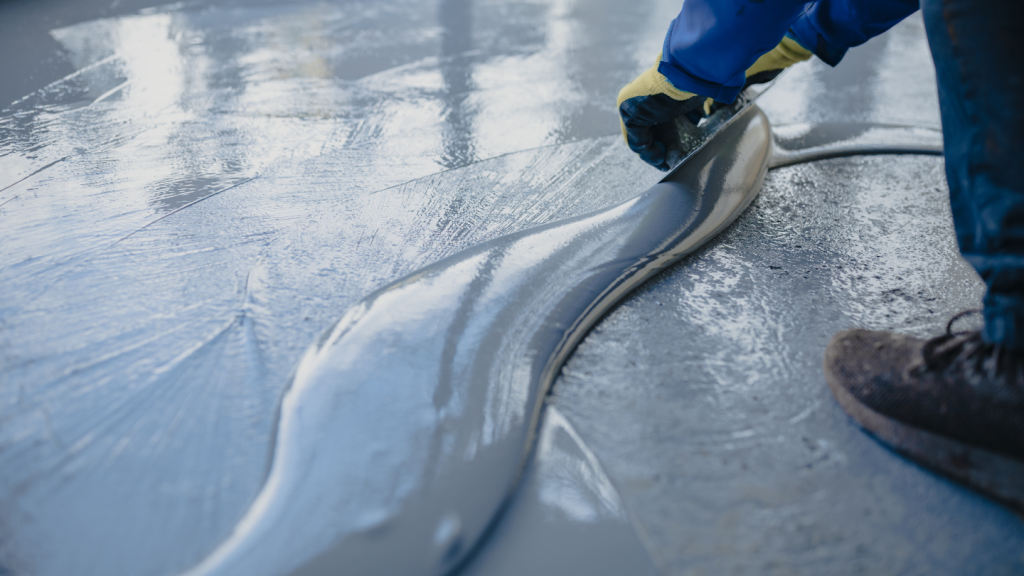
Combining epoxy and polyurethane can enhance foundation repairs by utilizing their unique properties. Using both materials can strengthen repairs by leveraging epoxy’s bonding power with polyurethane’s flexibility, ensuring a comprehensive solution for complex foundation issues.
In specific scenarios, both epoxy and polyurethane can be utilized together to tackle intricate foundation problems, improving overall repair effectiveness. This combination allows for both structural reinforcement and effective waterproofing, addressing multiple repair needs in one comprehensive approach.
Addressing Both Structural and Waterproofing Needs
Using both epoxy and polyurethane provides structural reinforcement and effective waterproofing in repairs. The combination of epoxy and polyurethane provides a dual solution, reinforcing structural integrity while also preventing water intrusion.
This combination ensures repairs can handle both movement and moisture intrusion, making it practical for complex projects. This dual approach ensures a long-lasting solution and enhanced protection for your foundation.
Professional Assessment and Installation
Unique foundation issues require thorough inspection for the correct repair method. Key considerations include:
- Choosing the right material is critical for achieving lasting results in foundation crack repair.
- Conducting moisture testing to determine active moisture or leakage.
- Selecting the appropriate injection material based on moisture testing results.
DIY repairs can compromise structural integrity and lead to more damage, so professional assessment and installation are crucial for effective foundation repairs.
Final Thoughts
Choosing the right injection method for repairing foundation cracks is essential to maintaining your home’s structural integrity and preventing future water damage. This blog has outlined how epoxy delivers the strength and rigidity needed for structural repairs in dry conditions, while polyurethane provides flexibility and superior performance in areas prone to moisture or active leaks. In some cases, using both materials together ensures complete protection, combining the structural reinforcement of epoxy with the waterproofing benefits of polyurethane for a long-lasting, dependable repair solution.
At Schmitt Waterproofing, our team specializes in foundation crack injection in Milton, offering expert solutions tailored to your property’s specific needs. Whether you’re dealing withbasement leak repair, improving water control with a finger space drain, or addressing exterior concerns likeyard drainage and retaining walls, our experienced technicians ensure each project is handled with precision and care. With a focus on quality workmanship, transparency, and lasting results, we help homeowners protect their investment and maintain a dry, stable foundation year-round.
Frequently Asked Questions
Is polyurethane or epoxy better for concrete?
Polyurethane is generally better for concrete due to its moisture resistance, while epoxy offers greater strength but may be prone to cracking under heavy use. Consider your specific application needs when choosing between them.
What are the primary methods for repairing foundation cracks?
The primary methods for repairing foundation cracks are epoxy resin injection and polyurethane foam injection, tailored to specific crack types and conditions. These methods effectively provide durable solutions to foundation issues.
When should I use epoxy resin injection?
You should use epoxy resin injection for structural cracks in load-bearing walls and when addressing wide cracks in dry or slightly damp conditions. This approach ensures effective sealing and reinforcement of the damaged areas.
When is polyurethane foam injection the best choice?
Polyurethane foam injection is the ideal choice for sealing actively leaking and non-structural cracks in basement walls, particularly when conditions are wet. This method effectively addresses moisture intrusion issues.
Can I use both epoxy and polyurethane for complex repairs?
Yes, using both epoxy and polyurethane can provide an effective solution for complex repairs by combining epoxy’s strong bonding capabilities with the flexibility of polyurethane. This approach enhances durability and adaptability in your repairs.