
Basement protection begins with knowing the different methods available to keep water out. This blog explores both interior and exterior solutions designed to maintain a dry, safe, and structurally sound basement.
Key Takeaways
- Interior and exterior waterproofing methods, including sealants, drainage systems, and proper grading, are essential for preventing water intrusion and maintaining basement integrity.
- Combining advanced technologies like smart sump pumps and high-performance coatings with traditional methods enhances the effectiveness and durability of basement waterproofing solutions.
- Regular maintenance and inspections of drainage systems are crucial for their efficiency in managing water accumulation and preventing basement flooding.
Interior Waterproofing Solutions
Interior waterproofing solutions focus on managing water that has already penetrated your basement. These methods are particularly valuable when exterior access is limited or when the foundation is already at risk of water damage. Effective interior basement waterproofing techniques help maintain the structural integrity of your basement and promote a healthier indoor environment.
Interior waterproofing involves several key methods, including the use of sealants and coatings, interior drainage systems, and vapor barriers. Each of these approaches offers unique benefits and can be tailored to address specific moisture problems within your basement. Let’s delve into each of these interior waterproofing methods to understand how they contribute to a waterproof basement.
Recognizing the signs basement needs waterproofing like damp walls, musty smells, or peeling paint helps stop water damage before it becomes a major issue.
Sealants and Coatings
Sealants and coatings are essential components of effective basement waterproofing. Masonry sealants create a flexible barrier that prevents moisture from passing through basement walls and floors, safeguarding the structure against water intrusion. These sealants are particularly useful in areas where minor cracks or porous surfaces allow moisture to seep through.
Advanced waterproof coatings, such as elastomeric and polyurethane options, provide long-lasting protection against extreme moisture conditions. These coatings:
- Adapt to structural movements, preventing cracks and leaks while maintaining a watertight seal.
- Create a robust barrier that prevents water infiltration.
- Reduce the risk of costly repairs.
Interior Drainage Systems
Interior drainage systems are critical components of basement waterproofing, designed to control water within the basement. These systems collect water through drain tiles and channel it to a sump pump for removal, ensuring that your basement remains dry even during heavy rainstorms.
A French drain, constructed by digging a trench, filling it with gravel, and placing a perforated pipe, effectively redirects water away from the basement. Sump pumps play a vital role in this process by collecting and pumping out water from the basement, preventing flooding and maintaining a dry basement environment. French drains are an effective solution for managing water flow.
Vapor Barriers
A vapor barrier is essential in preventing the passage of moisture through basement walls and floors. Vapor barriers block moisture from passing through porous concrete surfaces, reducing the risk of mold, mildew, and musty odors, and contributing to healthier indoor air quality.
Effective moisture blocking by vapor barriers helps prevent moisture, improve indoor air quality, and reduce the likelihood of mold and mildew-related issues, creating a more comfortable living space and protecting the structural integrity of your basement while managing indoor humidity.
Exterior Waterproofing Techniques

Exterior waterproofing addresses water intrusion by tackling the problem at its source, outside the home. This method prevents water entry into basements by addressing issues outside the exterior foundation walls, thereby increasing property value and enhancing the longevity of the foundation. Additionally, exterior basement waterproofing is essential for long-term protection against moisture.
While exterior waterproofing can be more invasive and potentially damaging during the installation process, it effectively addresses water entry from the outside, providing a long-lasting solution. The process typically involves excavating around basement walls and applying a waterproof coating or membrane, along with installing drainage panels to direct water away from the foundation.
Let’s explore some of the key exterior waterproofing techniques in more detail.
Waterproof Membranes
Waterproof membrane or coatings are applied to exterior basement walls to create a barrier against water infiltration. These membranes, such as bituminous and self-adhesive varieties, provide effective surface insulation and protection against water damage.
Applying these waterproof membranes significantly enhances the effectiveness of basement waterproofing efforts, preventing water damage and ensuring a dry basement environment.
Investing in basement waterproofing value goes beyond protection; it enhances resale potential, prevents costly damage, and provides lasting peace of mind for homeowners.
Proper Grading and Landscaping
Proper grading ensures that heavy rainwater flows away from the foundation, minimizing flood risk in basements. Grading directs water away from the foundation, which is crucial for preventing basement flooding.
Additionally, proper installation of window wells and maintaining them regularly can reduce the risk of water intrusion during heavy rainstorms. Downspouts should extend at least 5-10 feet away from the foundation to effectively divert water and maintain proper drainage.
Exterior Drainage Systems
Exterior drainage systems manage accumulated water around the foundation through the installation of drainage systems like gravel trenches or perforated pipes, ensuring the proper management of the surrounding soil. The purpose of an exterior French drain is to direct groundwater away from the home and prevent water ingress.
When you notice water leaking after heavy rain, it often points to cracks, drainage issues, or failing waterproofing that require immediate attention.
Combining interior drainage systems with exterior waterproofing effectively addresses moisture issues from multiple angles, reducing hydrostatic pressure around foundations and improving diverting water.
Foundation Repair Methods for Waterproofing
Foundation repair methods are essential for waterproofing, as they address structural damage that can lead to water infiltration. Repairing the foundation and installing waterproofing simultaneously ensures a comprehensive solution to prevent water entry and maintain structural integrity.
These methods include crack injection and structural reinforcement, each tailored to address specific types of damage and prevent further water intrusion. Let’s explore these foundation repair methods in detail.
Avoiding basement waterproofing mistakes like poor drainage, wrong sealants, or ignored cracks ensures long-term protection against moisture damage.
Crack Injection
Foundation crack injection is a technique used for waterproofing foundation cracks. It involves:
- Using epoxy or polyurethane foam to seal foundation cracks
- Providing a precision seal that effectively prevents water intrusion
- Improving structural integrity
Sealing these cracks prevents water entry and reduces the risk of mold growth, ensuring a basement dry and stable leaky basement environment. A basement leak in a finished basement can show through water stains, warped floors, or bubbling paint, making early detection critical to protecting your space.
Structural Reinforcement
Cracks in basement walls can form due to house settling, freeze and thaw cycles, hydrostatic pressure, and moisture intrusion. Structural reinforcement methods, such as carbon fiber straps and wall anchors, strengthen the foundation walls and prevent further damage.
These reinforcement methods not only address existing structural issues but also enhance the overall stability of the basement construction, providing long-term protection against water intrusion and structural deterioration.
Comprehensive Drainage Systems
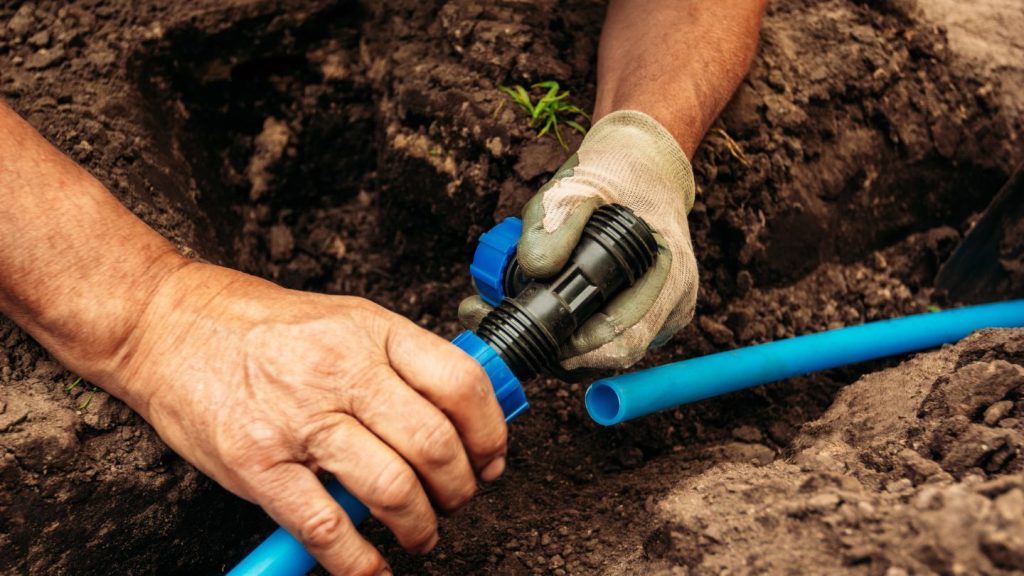
Integrating both interior and exterior drainage methods can significantly enhance water management in basements. By combining these approaches, homeowners can effectively manage excess water, water infiltration, and prevent basement flooding.
New technologies in basement waterproofing systems focus on enhancing efficiency and durability through innovative products and materials. These advanced solutions provide comprehensive protection against water-related basement issues.
Combined Interior and Exterior Systems
Combining interior drainage systems with exterior waterproofing methods offers a more comprehensive approach to preventing water intrusion in basements. Effective solutions for managing hydrostatic pressure include drain tile systems, sump pumps, and vapor barriers, which can be augmented by both interior and exterior methods to address issues like water seepage.
Unchecked hydrostatic pressure basement problem causes leaks, cracks, and structural strain, making prevention vital for a safe and dry foundation.
Smart sump pumps enhance interior drainage solutions by automatically adjusting their operation based on moisture levels, ensuring optimal performance and continuous protection against basement flooding through proper sump pump installation.
Maintenance of Drainage Systems
Regular maintenance, including sump pump testing and cleaning gutters, is vital for the effectiveness of drainage systems. Over time, drainage systems can become clogged with debris, lessening their effectiveness.
Regular inspections and maintenance enhance the longevity and effectiveness of drainage systems, providing peace of mind for homeowners and ensuring that these systems are properly installed and operate efficiently, preventing issues such as poor drainage and blockage in the drainage pipe, contributing to a healthy living environment.
Advanced Waterproofing Technologies
Innovative technologies in basement waterproofing lead to improved efficiency and durability, addressing modern waterproofing challenges. These advanced solutions include smart sump pumps and high-performance waterproof coatings, representing significant advancements in the field.
Integrating these technologies provides superior protection against water infiltration, maintaining a dry and functional basement environment.
Smart Sump Pumps
Smart sump pumps with battery backups ensure operation even during power failures, significantly reducing the risk of flooding. These pumps can automatically activate during power outages, ensuring continuous operation to prevent flooding and offering peace of mind for homeowners.
High-Performance Waterproof Coatings
High-performance waterproof coatings are advanced solutions designed to provide superior protection against water infiltration in basements. These coatings improve surface adhesion, making them more effective in preventing water infiltration, eliminating wet spots, and creating long-lasting watertight seals that repel water droplets.
By utilizing these high-performance coatings, homeowners can enhance the overall waterproofing system and protect their basements from water damage.
Final Thoughts
Basement waterproofing is a vital investment that shields your home from water damage, strengthens structural integrity, and improves overall property value. By applying the right combination of interior and exterior methods, you can ensure your basement stays dry, functional, and protected for years to come.
At Schmitt Waterproofing, we provide trusted solutions for basement waterproofing in Cumming which the homeowners rely on. With tailored services, advanced techniques, and long-lasting results, our team helps protect your property from water intrusion and gives you the confidence of a safe, durable foundation.
Frequently Asked Questions
What are common signs that indicate a basement needs waterproofing?
If you notice damp spots, musty odors, wall stains, foundation cracks, or issues with drainage, it’s a clear indication that your basement needs waterproofing. Addressing these signs early can prevent more significant damage and costly repairs.
What methods are effective for managing hydrostatic pressure in basements?
To effectively manage hydrostatic pressure in basements, consider installing drain tile systems, sump pumps, and vapor barriers. These methods can significantly reduce moisture and prevent flooding.
How often should sump pumps be maintained?
Sump pumps should be maintained at least once a year, ideally before the wet season, to ensure their proper functioning and reliability. Regular maintenance helps prevent unexpected failures during critical times.
Is basement waterproofing worth the investment?
Investing in basement waterproofing is worthwhile as it safeguards your property from water damage and improves its structural integrity, ultimately boosting its resale value.
What should be done immediately if standing water is present in a basement?
Remove standing water immediately to prevent damage to your basement’s structure and avoid mold growth.