

Retaining walls help manage slopes and prevent soil erosion. This comprehensive guide to retaining walls, covering their types, materials, and functions, includes various types such as gravity, cantilever, anchored, and gabion walls, along with their respective materials and functions. Gain the knowledge you need to make informed choices for your project.
Key Takeaways
- Retaining walls serve to stabilize slopes, manage water runoff, and prevent soil erosion, utilizing various drainage systems to maintain structural integrity.
- There are four main types of retaining walls: gravity, cantilever, anchored, and gabion, each with unique characteristics suited for different project needs and soil conditions.
- Choosing the appropriate materials for a retaining wall is essential for durability and aesthetics; options include wood, concrete blocks, natural stone, and brick, each presenting distinct cost and maintenance considerations.
Understanding Retaining Wall Contractors
Retaining walls hold back earth or water, creating level areas on sloping sites. They prevent soil erosion, manage water runoff, and stabilize slopes. If your yard has significant slopes or varying elevations, a retaining wall can transform it into a functional and attractive space.
A retaining wall’s main function is to withstand horizontal or lateral earth pressure. They often include drainage systems such as:
- French drains
- Perforated pipes
- Weep holes
These systems manage water pressure and prevent failures. In geotechnical engineering, retaining walls:
- Reinforce soil
- Increase bearing capacity
- Enhance resistance to settlement.
Knowing the different types of retaining walls, their functions, and the materials involved helps in choosing the right solution for your project. By the end of this guide, you will understand how these walls work and what makes each type unique, enabling you to make the best decision for your landscaping needs.
Types of Retaining Wall Contractors

Retaining walls come in various shapes and sizes, each tailored to specific project needs and site conditions. The four main types of retaining walls are:
- Gravity walls
- Cantilever walls
- Anchored walls
- Gabion walls
Each type of retaining wall offers unique characteristics and advantages, so choosing the right one for your situation is crucial.
Gravity retaining walls rely on their own weight to hold back soil pressure, making them ideal for smaller projects. Cantilever retaining walls, made of reinforced concrete, offer greater stability and can handle higher loads.
Anchored retaining walls use steel cables or rods to provide additional support, making them suitable for taller walls. Lastly, gabion retaining walls, constructed with wire mesh baskets filled with rocks or concrete, blend seamlessly with natural landscapes. When considering these factors, you also need to note that factors like materials and construction methods influence how long retaining walls last.
Gravity Retaining Wall Contractors
Gravity retaining walls use their own weight to hold back soil pressure. Typically limited to 3 feet in height to avoid bearing capacity failure, they are ideal for smaller projects and do not require additional reinforcement. Common materials include concrete, masonry, brick, blocks, and simple gravity walls.
These walls are popular for DIY projects due to their simplicity and cost-effectiveness. However, proper drainage behind the wall is necessary to prevent water buildup and structural failure. Gravel backfill and perforated pipes enhance drainage and stability.
Cantilever Retaining Wall Contractors
Cantilever retaining walls are constructed from reinforced concrete and consist of a base and a vertical stem forming an inverted T-shape. This design allows them to handle higher loads and reach heights of up to 5 meters. The base, often reinforced with steel bars (rebar), provides support to withstand significant soil pressure.
The T-shaped foundation prevents sliding failure, and a ‘key’ in the base enhances stability. A solid foundation with cantilever walls is more efficient than gravity walls, making them suitable for larger projects and areas with higher soil pressure.
Anchored Retaining Wall Contractors
Anchored retaining walls use steel cables or rods extending deep into the soil for additional stability. These anchors counteract active earth pressure, making them ideal for taller structures and high wall conditions.
The use of steel anchors allows these walls to support significant loads, ensuring long-term stability and durability.
Gabion Retaining Wall Contractors
Gabion retaining walls use wire mesh baskets for construction. These baskets are filled with:
- Rocks
- Concrete
- Other heavy materials
These walls have a rustic, natural appearance that blends well with the landscape, making them a popular choice for aesthetic projects.
Gabion walls are highly permeable, addressing drainage issues effectively, but may require more maintenance over time as the fill material settles.
Choosing the Right Material for Your Retaining Wall
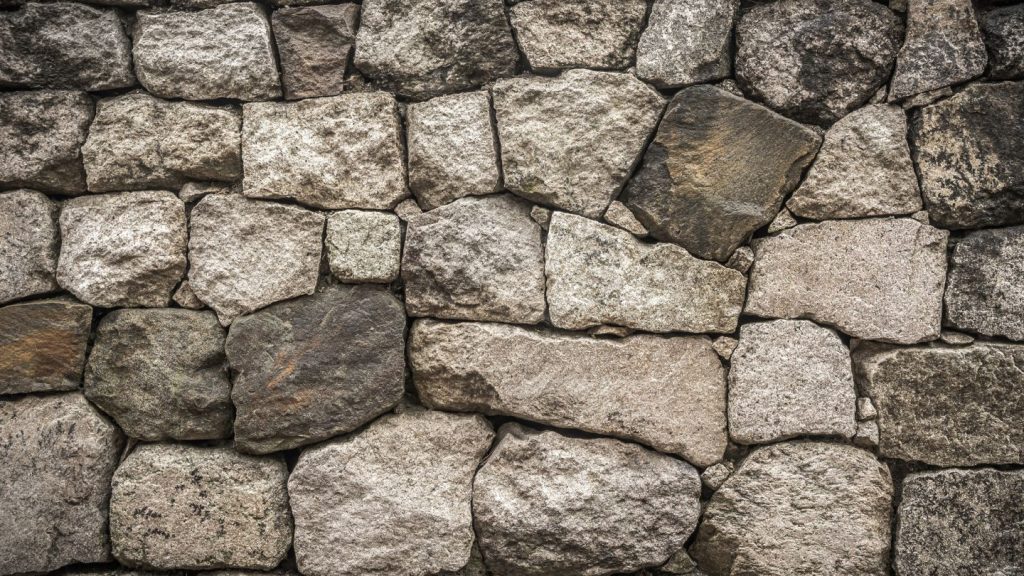
Choosing the right material for your retaining wall ensures durability, appearance, and cost-effectiveness. Material choice impacts both visual appeal and functionality. Factors like cost, durability, and aesthetics should be considered for an informed decision.
Different materials offer varying benefits and drawbacks. Wood walls are affordable and easy to install, but they may need more maintenance. Concrete blocks provide durability and versatility, while natural stone offers unique aesthetics and increased property value. Brick walls are durable and low-maintenance, but often require professional installation. Exploring the best types of retaining walls and their role in construction projects can further guide material selection and design choices for lasting performance.
Wood Retaining Wall Contractors
Wood retaining walls are affordable and easy to install, making them attractive for DIY projects. However, timber retaining walls have a shorter lifespan and require more frequent maintenance compared to other materials.
The best types of wood for longevity include pressure-treated lumber, cedar, and redwood, which are resistant to rot and insect damage.
Concrete Block Retaining Wall Contractors
Concrete block retaining walls are durable and versatile. They offer:
- Various styles and colors
- Suitability for both straight and curved configurations
- Concrete retaining walls that use interlocking blocks to provide enhanced stability and ease of installation, making them practical for various applications.
Concrete block retaining walls are more expensive than wood but offer greater longevity and require less maintenance. This makes them cost-effective for long-term projects despite the higher initial investment.
Natural Stone Retaining Wall Contractors
Natural stone retaining walls offer a unique aesthetic that can increase property value. However, they are more expensive and typically require professional installation due to the complexity of working with natural stone. A stone retaining wall can enhance the overall look of your landscape.
Investing in natural stone can pay off in terms of both beauty and durability.
Brick Retaining Wall Contractors
Brick retaining walls are durable and low-maintenance. They often require professional installation due to the skill involved. Though more costly, their longevity and classic appearance make them a worthwhile investment.
Key Design Principles for Retaining Wall Contractors

Designing a retaining wall involves considering several key principles for stability and longevity:
- Proper site preparation minimizes future repairs and enhances performance.
- Analyzing groundwater and soil properties helps prevent failure.
- Using quality materials and tools improves durability.
Visible signs like cracks, bulging, or leaning indicate structural problems that need prompt addressing. Adhering to these design principles ensures your retaining wall looks great and stands the test of time, while recognizing the common signs of retaining wall failure and available stabilization solutions.
Height and Thickness Considerations
As a retaining wall’s height increases, its thickness must also be adjusted to maintain structural integrity. Ground-bearing capacity is critical to support the wall structure without settlement or failure. Different soil types exert varying pressures; clay retains more water and pressure than sandy soils, influencing design choices.
For future construction above the retaining wall, higher vertical stress and lateral earth pressures must be considered. Proper foundation preparation prevents issues like bulging or uneven settlement. Designing the wall to handle these pressures enhances its stability and longevity.
Proper Drainage Solutions
A drainage system manages water pressure behind the retaining wall, crucial for its longevity. Soil erosion can undermine the wall’s base, leading to failure. Effective drainage solutions include drainage pipes, landscape fabric, and gravel, which manage water flow and prevent erosion.
Weep holes are critical openings that relieve trapped water pressure. Properly installed drainage systems prevent water buildup and reduce the risk of structural damage. Including these elements ensures the wall remains stable and effective over time.
Soil Pressure Management
Managing soil pressure ensures the stability and longevity of retaining walls. Geotextile fabrics distribute soil pressure more evenly, enhancing stability. Reinforced soil structures decrease bearing pressures, minimizing the need for costly foundations.
To avoid retaining wall failure, analyze the following factors:
- Active earth pressure
- Groundwater presence
- Ground-bearing capacity
- Sliding resistance
Geotechnical information is crucial for developing the most suitable and cost-effective design.
Considering several factors ensures a retaining wall that effectively manages soil pressure and remains durable.
DIY vs. Professional Installation of Retaining Wall Contractors
Choosing between DIY and professional installation for your retaining wall project can be challenging. Here are some points about DIY projects:
- Offer significant cost savings and creative control.
- Use interlocking concrete blocks that enable easy, mortar-free installation, popular among DIY enthusiasts.
- It can require significant time, especially for those with limited experience.
Professional installers bring structural engineer expertise, ensuring safety and durability. They also alleviate concerns about compliance with local building codes; it’s essential to check local building codes and regulations. A professional mason can help ensure that all work meets these standards.
When deciding between DIY and professional installation, consider your experience, project complexity, and site requirements. Hiring professionals might have a higher upfront cost, but can save you headaches and potential repairs in the long run.
Cost Considerations for Retaining Wall Contractors
The overall cost of building a retaining wall varies significantly based on materials and construction methods. Various cost factors must be considered before starting, including:
- Labor expenses
- Site preparation fees
- Costs of materials
- Permit costs
Understanding these cost factors helps you budget effectively and make informed decisions. By careful planning and considering all expenses, you ensure your retaining wall is both cost-effective and durable.
Labor Expenses
Hiring professionals for retaining wall installation can significantly raise labor costs compared to DIY projects. While DIY offers considerable labor cost savings, it carries risks of improper installation and potential long-term costs if issues arise.
Understanding labor expenses is critical for budgeting in both DIY and professional projects.
Site Preparation Fees
Proper site preparation ensures the stability of a retaining wall during construction. Site preparation costs include necessary permits and adjustments for sloped areas.
Location can increase retaining wall costs by 50% or more in sloped areas.
Maintenance and Longevity of Retaining Wall Contractors
Retaining walls should be inspected at least twice a year to identify minor issues early. Regular inspections, cleaning the wall, and addressing drainage issues maintain the wall’s integrity. Maintaining the drainage system is crucial, as clogged weep holes or saturated backfill can lead to structural damage.
Proper backfill compaction supports drainage and wall stability, requiring regular monitoring. Immediate repairs of cracks or shifted blocks can prevent more extensive repairs later.
Seasonal maintenance includes specific tasks like clearing debris in spring and inspecting for damage in autumn, which require minimal maintenance. Following these practices ensures the longevity and effectiveness of your retaining wall.
Creative Uses of Retaining Wall Contractors in Landscaping
Retaining walls stabilize slopes, creating level areas for landscaping and construction. They maximize usable land by forming terraces and supporting structures. Vegetation can help stabilize soil and prevent erosion behind the wall.
Modern elements like geometric concrete blocks, LED lighting, and mixing materials like wood and metal can be integrated into retaining wall designs.
Creative uses for retaining walls in landscaping include terraced gardens, built-in seating areas, and water features, offering unique benefits and aesthetic appeal, including a retaining wall’s ability to enhance the overall design. These design possibilities highlight the broader benefits of retaining walls for your property, combining functionality with visual appeal.
Terraced Gardens
Terraced gardens use retaining walls to create flat planting areas on various levels. This design allows for experimenting with different plants, arrangements, and colors, enhancing the aesthetic appeal of your outdoor space.
Terraced gardens are especially effective on steep slopes, providing a practical and beautiful solution for challenging landscapes on a steep slope.
Built-In Seating Areas
Creating built-in seating areas is an innovative way to utilize retaining walls in landscaping. Adding cushions and pillows can significantly enhance the comfort of built-in seating areas.
These seating areas can also include storage compartments underneath, adding practicality to the design and maximizing limited space in your outdoor living area.
Water Features
Water features like waterfalls or cascading streams can be integrated with retaining walls to enhance landscape design. Incorporating water features can create a tranquil ambiance, contributing to stress reduction and relaxation.
These landscaping features can feature a natural, cohesive look that enhances the overall beauty of the landscape and helps manage water flow and prevent erosion.
Common Issues with Retaining Wall Contractors and Their Solutions
Common problems associated with retaining walls include poor drainage, erosion, and structural failures. Groundwater is a main cause of retaining wall failure, which can lead to bulging and leaning. Inadequate design, such as walls not designed for site-specific conditions, can also lead to failure.
Incorporating a drainage system in retaining walls prevents water buildup and reduces pressure behind the wall. Retaining walls are crucial for managing soil and water, especially in locations prone to erosion. Addressing these issues promptly can maintain the wall’s integrity and extend its lifespan.
Poor Drainage
Inadequate drainage can cause water accumulation. This may result in potential wall failure. Clogged weep holes can lead to water accumulation, increasing the risk of wall failure. Addressing common problems with appropriate solutions is key to maintaining a retaining wall’s longevity.
Ensuring proper friction at the base of the wall can prevent sliding and enhance stability.
Erosion Control
Soil erosion is a significant factor that can compromise structures like retaining walls. Implementing effective drainage solutions can significantly reduce the risk of soil erosion around retaining walls.
Regular maintenance and vegetation can also help stabilize soil conditions and prevent erosion, ensuring the wall’s stability.
Structural Failures
Increased lateral pressure can cause a retaining wall to topple or overturn. Common causes of cracking in retaining walls include settling, temperature changes, and pressure. Excessive pressure or poor construction can lead to retaining walls bulging or leaning.
Addressing these issues with proper design and materials can prevent structural failures and ensure the wall’s longevity.
Final Thoughts on Retaining Wall Contractors
In conclusion, retaining walls play a vital role in managing slopes, preventing soil erosion, and enhancing the functionality and aesthetic appeal of outdoor spaces. By understanding the different types, materials, and design principles, you can make informed decisions that ensure your retaining wall is durable, effective, and visually pleasing. Whether you opt for a DIY project or professional installation, careful planning and regular maintenance are key to a successful retaining wall that stands the test of time.
For those seeking expert assistance with retaining walls in Cumming, Schmitt Waterproofing offers reliable solutions tailored to your specific needs. Our experienced team is dedicated to providing quality workmanship and exceptional service to help you achieve a stable and beautiful outdoor environment. Contact us today to learn how we can support your next retaining wall project and bring your vision to life.
Frequently Asked Questions
What is the cheapest and strongest retaining wall?
A wood retaining wall is the cheapest and strongest option, especially when using pressure-treated lumber or naturally rot-resistant woods like cedar or redwood for durability. This choice is not only cost-effective but also allows for DIY ease.
What are the primary functions of retaining walls?
Retaining walls primarily function to prevent soil erosion, manage water runoff, and create level surfaces on sloping sites. These structures are essential for maintaining the integrity and stability of landscapes.
What materials are commonly used for gravity retaining walls?
Gravity retaining walls are commonly constructed using concrete, masonry, brick, and blocks, providing stability and durability for various applications.
Why are drainage systems important for retaining walls?
Drainage systems are crucial for retaining walls as they manage water pressure, preventing structural damage and extending the wall’s lifespan. Proper drainage ensures the wall remains stable and effective over time.
What are the benefits of hiring professional installers for retaining walls?
Hiring professional installers for retaining walls ensures compliance with local regulations, enhances structural integrity, and guarantees a durable and safe installation. This expertise ultimately protects your investment and offers peace of mind.