

Water issues around a home rarely stay on the surface for long. Poor drainage can quietly redirect rainwater toward the foundation, increasing soil pressure and moisture buildup over time. This often leads to cracking, settlement, and long-term structural stress that’s expensive to correct later. Understanding how water moves across your yard is key to preventing foundation problems. In this blog, we’ll explain how drainage failures contribute to foundation damage and what homeowners can do to protect their property early.
Key Takeaways
- Standing water and saturated soil next to a foundation are among the fastest ways to cause cracks, leaks, and structural movement.
- Repeated wet–dry cycles in clay or loam soils around a home’s footings lead to expansion, shrinkage, and foundation stress.
- Simple fixes like correct yard grading, clear gutters, and extended downspouts can prevent costly foundation repairs.
- Professional drainage and foundation inspections are recommended whenever homeowners see pooling water, widening cracks, or musty basements.
- Addressing drainage issues early is far less expensive than waiting until structural repairs become unavoidable.
How Poor Drainage Damages a Home’s Foundation
Poor drainage is one of the top underlying causes of residential foundation problems across the U.S. and Canada. When water cannot move away from your home, it doesn’t just disappear; it goes to work against your foundation. Poor drainage is one of the top underlying causes of residential foundation problems, and recognizing yard drainage problems early can prevent long-term structural damage.
Water that cannot drain away collects along footings and basement walls, saturating the surrounding soil. This saturated soil loses its strength, exerts more pressure on concrete, and can wash out the support beneath slabs and stem walls. Think of it like this: dry, compacted soil acts like a firm platform for your home. Wet, soggy soil becomes more like a sponge that shifts under pressure.
Homes built after the 1970s with basements or crawl spaces are especially vulnerable when perimeter drainage is missing or clogged. Many of these homes were built with basic damp-proofing rather than true waterproofing systems, leaving them more exposed when drainage systems fail.
Both heavy storm events and slow, chronic leaks, like from clogged gutters or yard irrigation set too close to the house, can trigger the same damage mechanisms over time. Whether it’s a sudden downpour or months of gentle overwatering, the result is the same: excess water finding its way to your foundation.
Water Pooling Around the Foundation
After a typical 20–30 minute rainstorm, take a walk around your home. What you’re looking for is simple: puddles against the foundation that remain for hours after the rain stops. This water pooling is more than a nuisance; it’s actively working against your foundation’s stability.
Standing water increases lateral pressure on basement walls and lets water exploit hairline cracks or cold joints in the concrete. Even the smallest gap becomes an entry point when there’s constant water pressure behind it. Over time, repeated saturation of backfill soil near the wall can widen existing cracks, leak into finished basements, and damage insulation and framing.
Common locations where pooling water appears include:
- Directly beneath downspouts that empty at the foundation
- Along patios that slope toward the house instead of away
- In low spots at corners where two walls meet
- Near flower beds with heavy mulch that traps moisture
Here’s a practical rule: if you see puddles within 2–3 feet of your house two hours after normal rainfall, that’s a red flag. Your grading or drainage needs correction before further water intrusion causes serious damage.
Soil Expansion, Contraction, and Foundation Movement
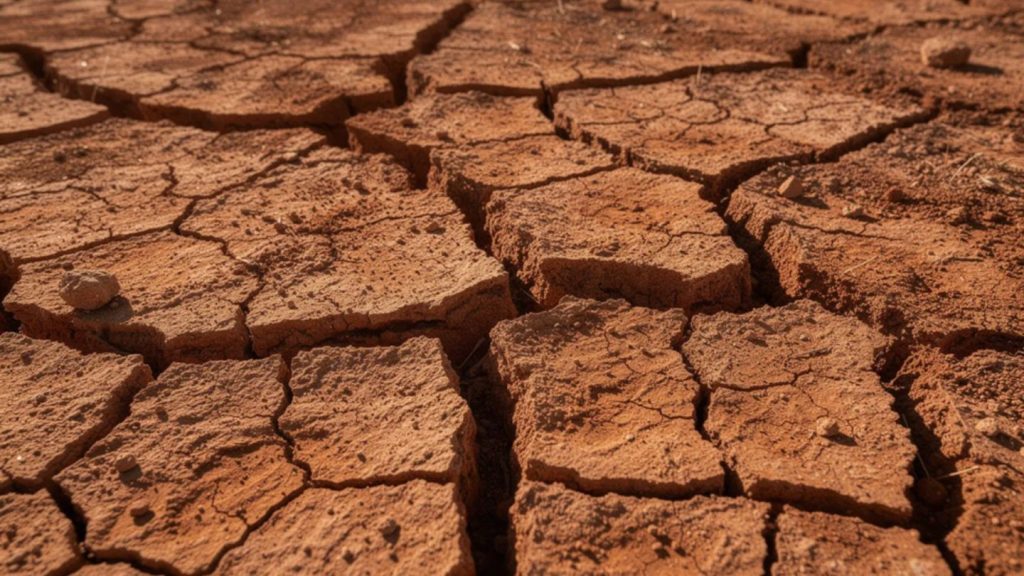
Expansive clay soils in regions like Texas, Oklahoma, Missouri, and parts of the Midwest are particularly problematic for foundations. If you live in an area with clay-heavy soil, understanding soil expansion and contraction is essential.
Here’s how it works in simple terms: clay absorbs moisture like a sponge and swells up. When the weather dries out, that same clay shrinks and cracks. This constant soil movement, sometimes called soil “pumping”, repeatedly shifts the foundation sitting on top of it.
This cycle connects directly to symptoms you might notice in your home:
| Symptom | What It Means |
| Vertical cracks in foundation walls | Soil is settling unevenly beneath the footings. |
| Diagonal cracks above doors/windows | Foundation shifting and stressing framing. |
| Gaps between walls and floors | Differential movement between foundation sections |
| Sticking doors that worked fine before | Frame distortion from foundation movement |
Uneven moisture around the perimeter, one side of your home wetter than the other, can cause differential settlement. This leads to tilting or twisting of the structure, creating uneven floors and sloping surfaces.
The good news: keeping soil moisture more consistent through proper drainage and thoughtful irrigation design reduces these movements significantly. You can’t control the soil type, but you can control how much water reaches it.
Hydrostatic Pressure Against Foundation Walls
Hydrostatic pressure is the force exerted by water-saturated soil pushing against basement or crawl space walls. Imagine the soil around your foundation acting like a wet sponge being squeezed against your walls; that’s hydrostatic pressure at work.
During periods of heavy rain or snowmelt, water levels in the soil can rise quickly, loading foundation walls beyond what they were originally designed to handle. This excess pressure doesn’t just push; it finds weaknesses.
Specific damage patterns from hydrostatic pressure include:
- Bowing or leaning walls that curve inward, visible with a straightedge or level
- Horizontal cracks appearing mid-height on basement walls
- Leaking joints where walls meet slabs or at the floor-wall connection
- Water seepage through porous block or concrete
Older homes built before the 1980s often lack modern footing drains or waterproof membranes, making them more vulnerable to this pressure. These homes were typically built with minimal water management in mind.
Managing roof runoff, surface drainage, and subsurface drains all help relieve hydrostatic pressure before it reaches the wall. The goal is to intercept water before it has a chance to accumulate against your foundation.
Erosion and Loss of Soil Support Under Footings
Soil erosion is the gradual removal of soil by flowing water along the foundation line. Unlike dramatic flooding, erosion works slowly and often goes unnoticed until significant damage has occurred.
Poor drainage from short downspouts, broken splash blocks, or leaking outdoor faucets can carve channels and wash away supporting soil. Each time water flows in the same path, it removes a little more material from beneath your footings.
Signs of erosion-related foundation problems include:
- Porch or step separation from the main house
- Cracking at exterior corners of the foundation
- Gaps under grade beams or slabs (sometimes visible with a flashlight)
- Bare spots where soil has washed away from the foundation
Even small voids beneath footings concentrate loads on the remaining supported areas, causing cracking and differential settlement over several seasons. The soil beneath your foundation doesn’t need to disappear entirely; just losing a few inches of support in key spots can cause serious structural damage.
Bare soil, steep slopes, and a lack of ground cover near the foundation make erosion from storm runoff more severe. Protecting exposed soil with appropriate landscaping is an important part of any drainage strategy.
Basement Leaks, Crawl Space Moisture, and Indoor Damage
Wet basements and damp crawl spaces are often the first visible signs that exterior drainage is failing. While you might not see what’s happening underground, moisture problems eventually announce themselves inside your home.
Typical indicators of drainage-related moisture include:
- Water lines or staining on concrete walls
- Peeling paint or bubbling on the basement walls
- Rusted metal posts, lally columns, or support hardware
- Musty odors that worsen during wet weather
- Visible mold growth on joists, subfloor, or stored items
- Efflorescence (white mineral deposits) on masonry
This moisture buildup leads to long-term structural problems. Rotting sill plates, corroding fasteners, and sagging floor systems are all consequences of chronic dampness in crawl spaces. Wood absorbs moisture readily, and once rot begins, it spreads.
High humidity in these spaces can spread to the rest of the home through the “stack effect,” affecting indoor air quality and creating health concerns. Dust mites, mold spores, and mildew thrive in these conditions.
Interior solutions like sump pumps and interior drains help manage water that gets in, but source drainage corrections outside remain critical. You need to stop the water at its source, not just manage it after it arrives.
Recognizing Drainage-Related Foundation Warning Signs
Early recognition of drainage-related symptoms can prevent major repairs later. Catching problems when they’re small gives you options; waiting until they’re severe limits what you can do.
Exterior Warning Signs
| Sign | What to Look For |
| Standing water | Puddles remaining 2+ hours after storms |
| Soil separation | Gaps between the soil and the foundation during dry spells |
| Visible erosion | Channels or bare spots near downspouts |
| Staining | Water marks or discoloration on the exterior foundation |
| Clogged gutters | Overflow during rain, debris visible at edges |
Interior Warning Signs
- Stair-step cracks in masonry or block walls
- Doors or windows that suddenly stick or won’t close properly
- New gaps around trim, cabinets, or where walls meet ceilings
- Sloping floors or uneven surfaces
- Water stains on basement floors or walls
Watch for seasonal patterns. Cracks that widen every wet spring or doors that bind more after heavy rain signal drainage problems that worsen with each cycle. Any combination of water issues outside and movement signs inside warrants a professional foundation or drainage evaluation, especially when understanding the science behind yard drainage helps confirm what’s happening beneath the surface.
Long-Term Risks of Ignoring Drainage Problems
Drainage issues rarely go away on their own. In fact, they usually worsen with each wet season as soil conditions deteriorate and small cracks become larger pathways for water.
Long-term saturation and soil movement can lead to structural instability, including:
- Rotated or displaced foundation walls
- Broken framing connections where the house meets the foundation
- Unsafe floor systems with compromised support
- Bowing basement walls at risk of failure
Financial Impacts
The cost difference between early intervention and delayed repairs is dramatic:
| Intervention Timing | Typical Scope | Relative Cost |
| Early (drainage only) | Grading, gutters, extensions | Lower |
| Moderate | Drainage + crack repair | Moderate |
| Late | Helical piers, wall anchors | Higher |
| Severe | Full wall rebuilds, underpinning | Highest |
Beyond repair costs, expect difficulty selling the property, failed home inspections, or lower appraisal values due to visible foundation history. Buyers and their inspectors know what to look for.
Chronic dampness also brings health risks. Mold growth in basements and crawl spaces can cause respiratory problems, especially for family members with allergies or asthma. Wet wood attracts termites and carpenter ants, adding pest infestations to the list of concerns.
Preventing Drainage-Related Foundation Damage
Prevention combines good surface drainage, subsurface systems where needed, and regular maintenance. None of these elements is complicated, but together they form your foundation’s primary defense against water damage.
Every home should have a positive slope away from the foundation for at least the first 5–10 feet of yard. Roof runoff must be handled by clean gutters sized for local rainfall, with downspouts that discharge well away from the house.
For properties with groundwater issues, French drains, curtain drains, or footing drains provide additional protection. Implementing effective drainage solutions before problems appear is always more cost-effective than reactive repairs, and selecting proven yard drainage solutions keeps water from collecting where it can damage soil support.
Grading and Landscaping Around the Home
Proper grading is the first line of defense to keep stormwater moving away from your foundation. Before investing in complex drainage systems, make sure the ground slopes correctly.
Target slopes should provide at least 5–6 inches of fall over the first 10 feet from the house, where possible. This ensures water naturally flows away rather than toward your foundation walls.
Grading and landscaping best practices include:
- Raising low spots with compacted fill, not loose topsoil
- Keeping mulch at least 4–6 inches away from siding
- Avoiding planting beds that form dams against walls
- Using shallow swales to direct water flow away from the foundation
- Installing stone borders that guide runoff toward drainage points
- Choosing deep-rooted groundcovers that stabilize soil
Be cautious with hardscape additions. Patios, walkways, and driveways can direct water toward the house if not properly sloped. Always ensure the ground slopes away from the foundation, even after new concrete work.
Managing Gutters, Downspouts, and Roof Runoff
Your roof sheds thousands of gallons of water each year, all of which must be directed away from the foundation. A well-maintained gutter system is essential for protecting your home’s foundation.
Gutter maintenance guidelines:
| Task | Frequency | Why It Matters |
| Clean gutters | Twice yearly (spring/fall) | Prevents overflow and clogs |
| Check seams | Annually | Stops leaks that concentrate water |
| Verify slope | Annually | Ensures water flows to downspouts |
| Inspect hangers | Annually | Prevents sagging that blocks flow |
Downspout extensions should typically discharge at least 4–6 feet from the foundation. Options include:
- Rigid or flexible extensions
- Splash blocks positioned to direct water away
- Underground piping to distant discharge points
- Dry creek beds that carry water toward the yard
In regions with intense storms or many nearby trees, consider oversized gutters, additional downspouts, or gutter guards. Check your system during actual rain events to see if water is overshooting gutters or leaking at seams and corners.
French Drains, Sump Pumps, and Other Drainage Systems
Some properties, especially those on slopes or in low-lying areas, need more than just surface grading and gutters. When groundwater is a recurring problem, subsurface drainage systems become necessary.
French drains consist of a perforated pipe in a gravel trench, wrapped in filter fabric to prevent clogging. The trench is sloped to discharge water away from the home, intercepting groundwater before it reaches your foundation.
Sump pumps installed in basements or crawl spaces collect water in a basin and pump it safely outside, well away from the foundation. These are essential when gravity drainage isn’t possible due to site conditions.
Other drainage solutions include effective backyard drainage solutions like curtain drains, dry wells, and catch basins for properties with repeated groundwater and runoff issues.
- Curtain drains: Installed upslope of the house to intercept water before it arrives
- Dry wells: Underground chambers that allow water to slowly percolate into the soil
- Catch basins: Surface drains for areas with heavy runoff
All these systems require correct slopes, adequate outlets, and accessible maintenance points to remain effective over many years. Installing French drains without proper planning can create new problems rather than solving existing ones.
Routine Inspections and Professional Assessments
Annual homeowner inspections and periodic professional reviews are especially important in older homes or those built on problematic soils. Staying proactive helps you catch drainage issues before they cause foundation issues.
Homeowner inspection tips:
- Walk the perimeter after major storms
- Look for new pooling, washouts, or damp foundation areas
- Check basement walls for new cracks or moisture
- Monitor crawl space humidity with a simple meter
When to bring in professionals:
Foundation specialists can use levels, crack gauges, and moisture meters to differentiate cosmetic issues from structural movement. This expertise helps you avoid unnecessary repairs while catching genuine problems early.
Seek professional help promptly when:
- Cracks change size or multiply
- Floors become noticeably uneven
- Doors suddenly go out of square
- Basement flooding becomes recurring
Early expert recommendations often combine modest drainage improvements with targeted foundation stabilization where needed. This approach addresses both the symptom and the cause.
When to Call a Foundation or Drainage Professional

Not every puddle requires an engineer, but some patterns should not be ignored. Knowing when to call for help can save you significant money and stress.
Scenarios where professional evaluation is wise:
- Repeated basement flooding despite cleanup efforts
- Bowing basement walls are visible to the eye
- Cracks wider than about 1/4 inch, especially if growing
- Chronic standing water around the foundation after normal rain
- Doors and windows binding throughout the house
- Visible separation between chimney and house structure
Local contractors familiar with regional soils, whether that’s expansive clay belts or high water-table neighborhoods, can suggest proven solutions tailored to your specific conditions. They’ve seen what works and what doesn’t in your area.
A combined team approach, addressing both foundation repair and drainage correction, often gives the most durable results. Fixing the foundation without fixing the drainage is like patching a leak without stopping the source.
Early consultation is usually far cheaper than waiting until structural repairs become unavoidable. The foundation repair you prevent is always less expensive than the one you need.
Protecting Your Foundation Starts with Drainage
Poor drainage is one of the fastest ways to trigger foundation cracking, settlement, and long-term structural stress. When water repeatedly collects around the home, soil movement and hydrostatic pressure increase year after year. Addressing drainage early helps protect your foundation and prevents costly repairs later.
If you need a trusted partner, Schmitt Waterproofing is a proven yard drainage company in Johns Creek. We also provide solutions for yard drainage in Dawsonville, Cumming, and Alpharetta to help redirect water and stabilize soil conditions. Contact us today to schedule an evaluation and protect your home from future damage.
Frequently Asked Questions
Can poor drainage really damage a foundation in just a few years?
Yes, especially in clay-heavy soils. Repeated water exposure near the foundation can trigger swelling, shrinkage, and soil shifting. Within 3–5 years, this cycle can lead to cracks, settlement, and water intrusion. The damage builds gradually, but the structural stress increases with every wet season.
How can I quickly tell if water is draining correctly after a storm?
Walk around your home about 1–2 hours after rainfall ends. You should not see pooling water near the foundation, muddy saturated soil, or water flowing back toward the house. During rain, gutters should drain smoothly through downspouts without overflow, backup, or splash-out near walls.
Is it enough to fix the drainage from inside the basement?
Not usually. Interior drainage systems help control water after it enters, but they don’t prevent water pressure against exterior foundation walls. That pressure still causes cracks, moisture seepage, and long-term movement. Exterior fixes, grading, downspout extensions, and drainage systems address the root cause directly.
Do all homes need French drains?
No. Many homes only need proper yard grading and controlled roof runoff to stay dry. French drains are most useful when groundwater collects near the foundation, slopes funnel water toward the home, or soils stay saturated. Site conditions determine whether a French drain is truly necessary.